Our Platforms
L’IRIMAS est doté des plateformes d’expérimentation suivantes :
3D Microscopy Imaging Platform - IMTIS
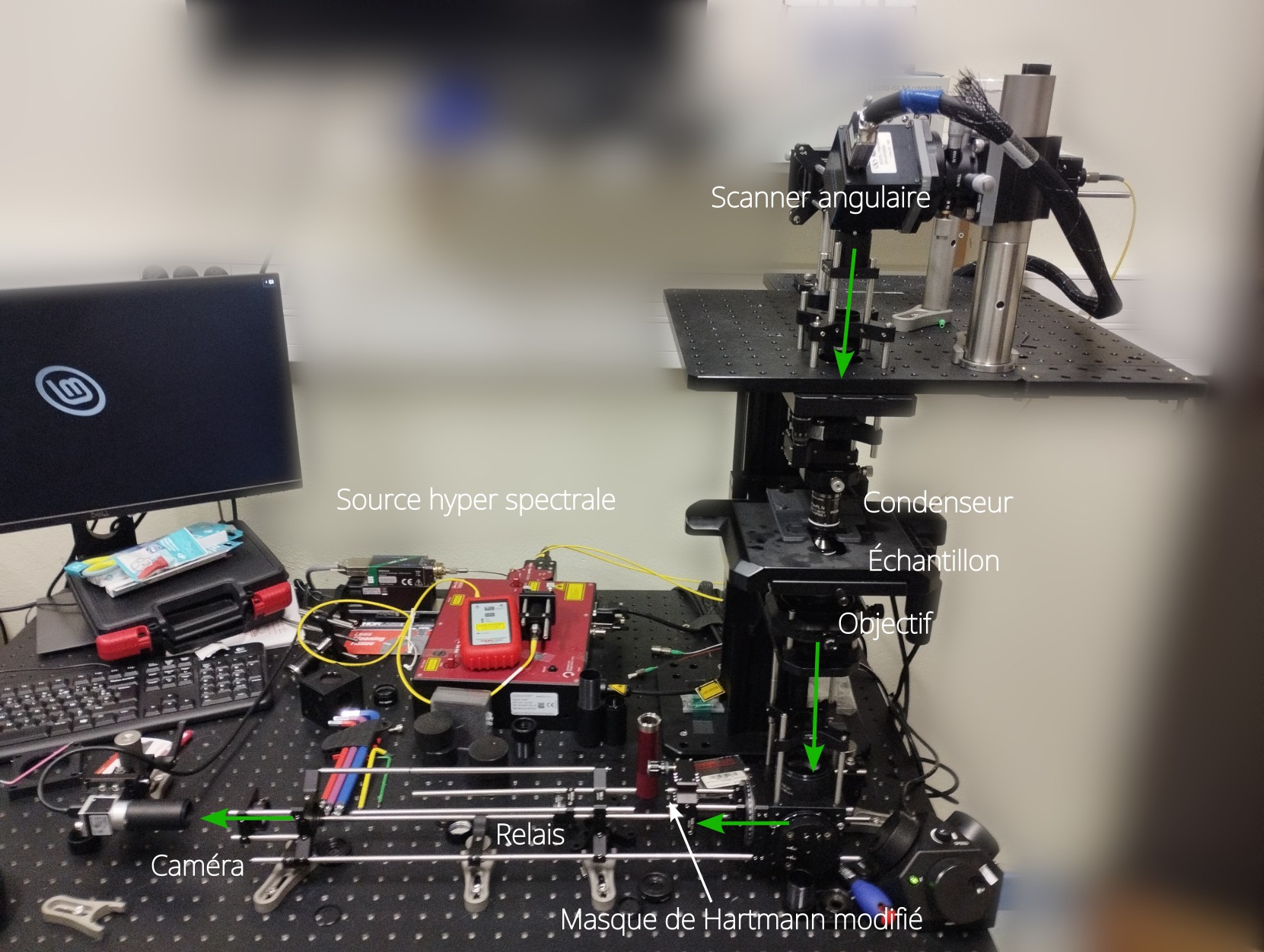
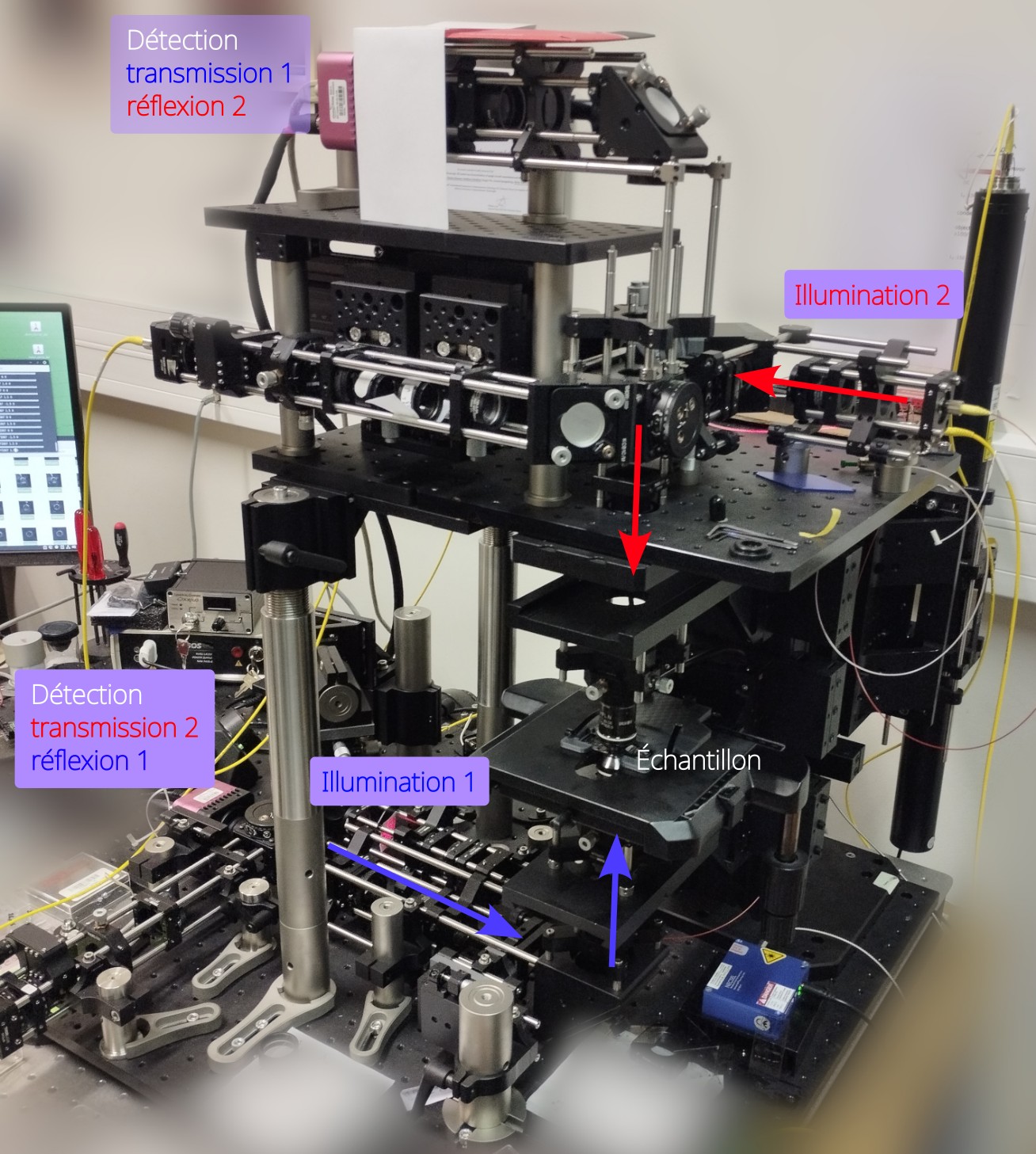
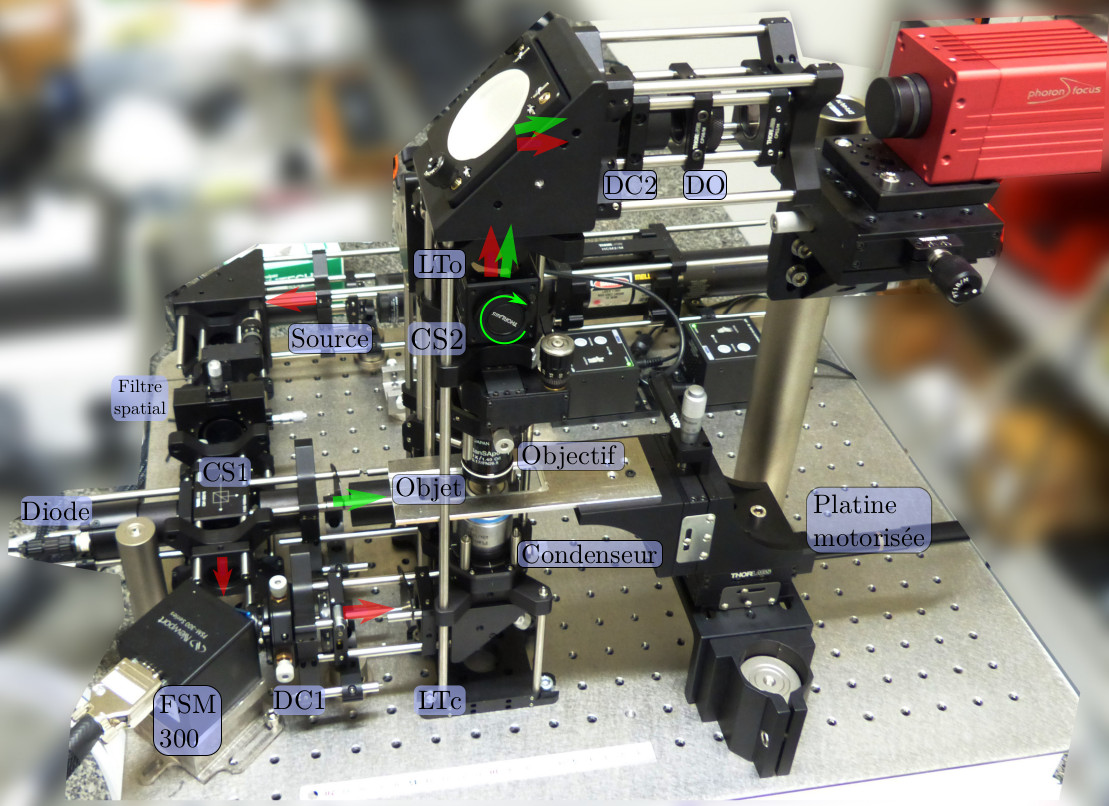
The IMTIS team develops solutions for microscopic imaging and 3D machine vision
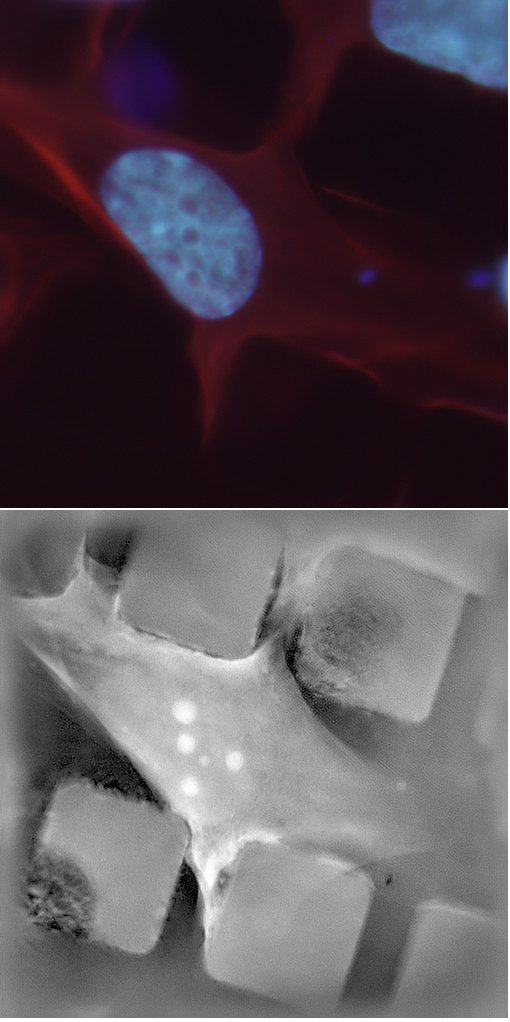
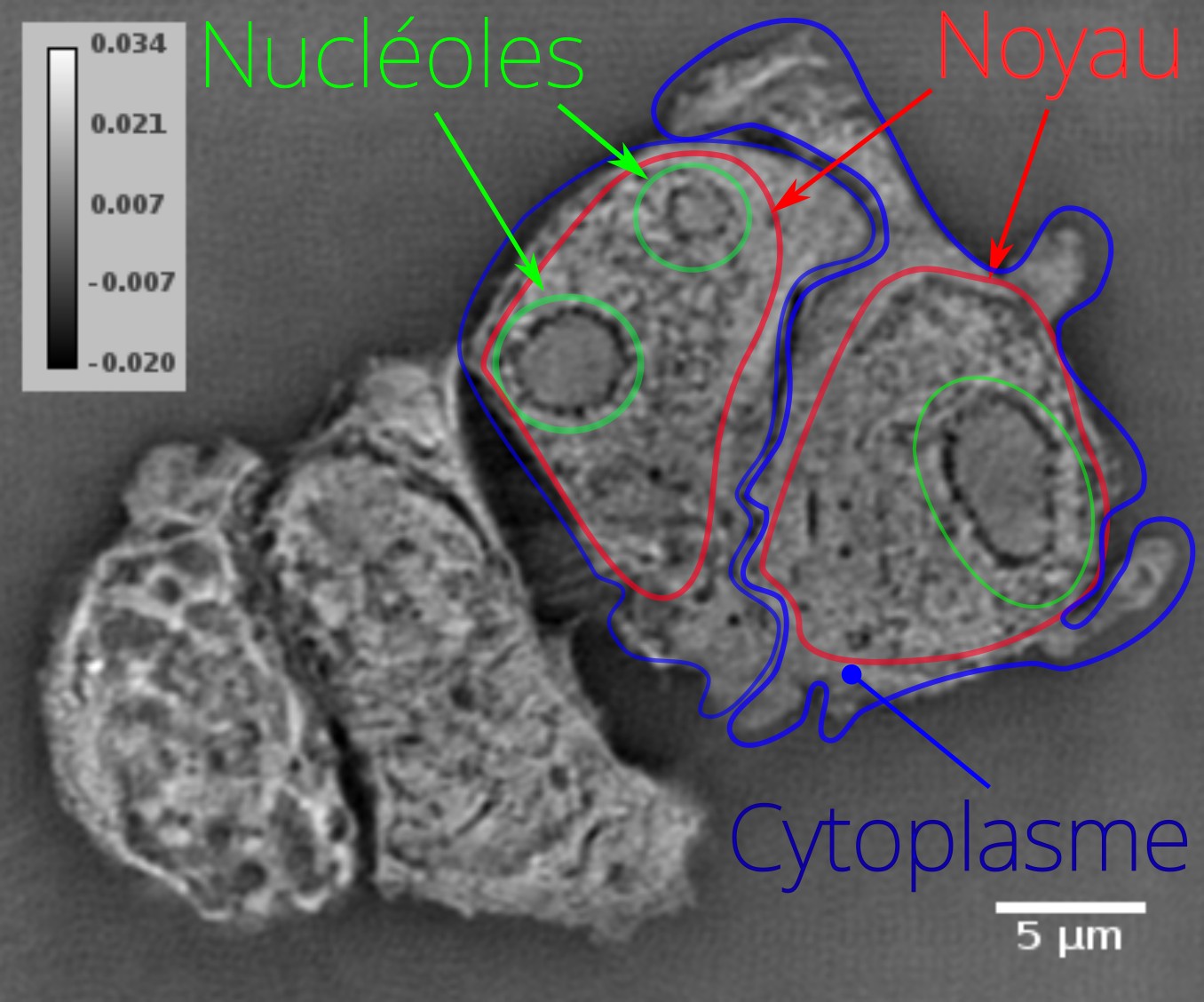
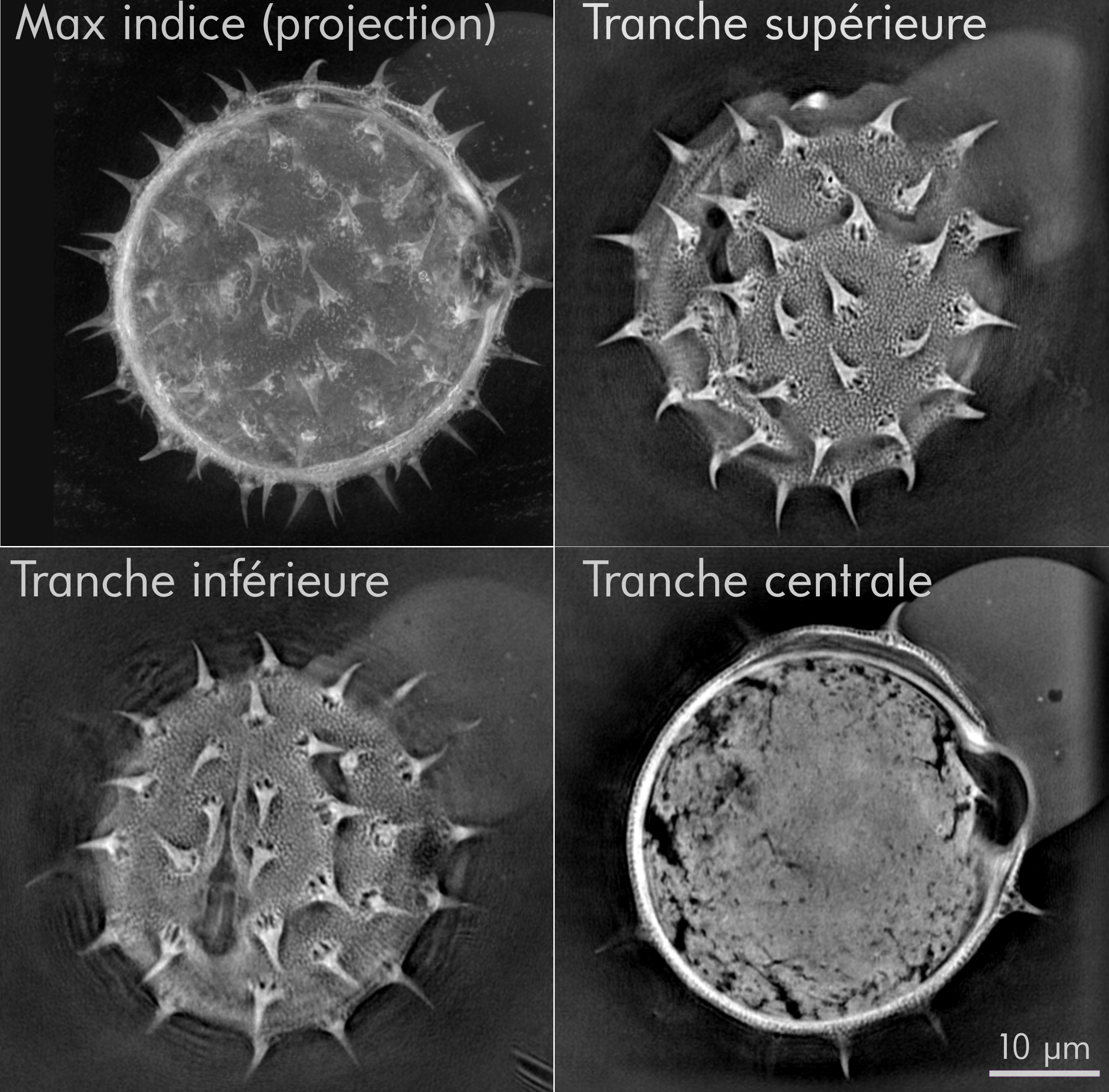
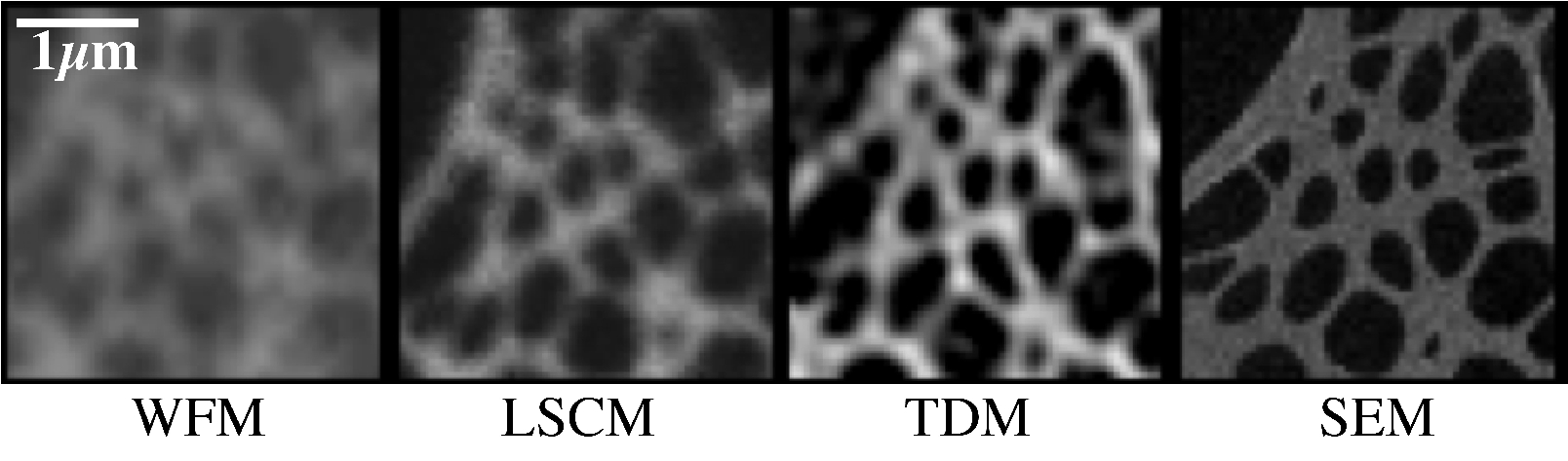
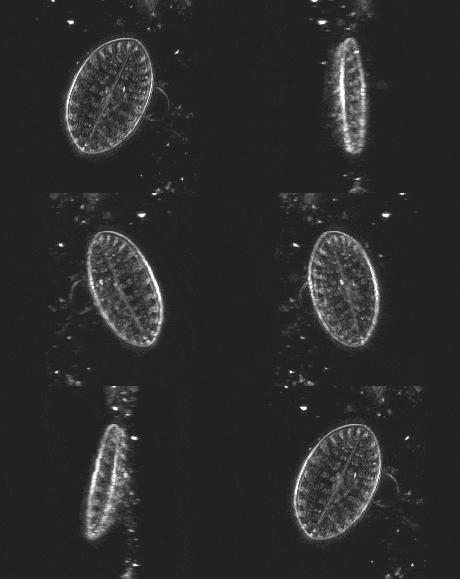
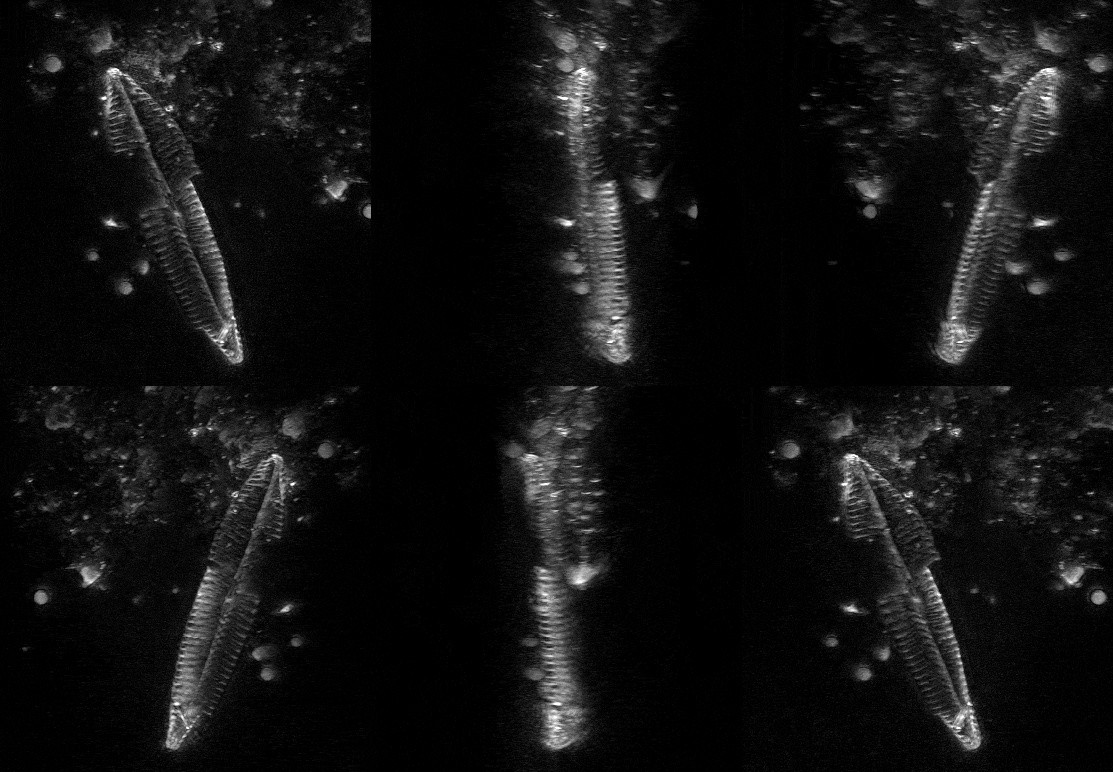
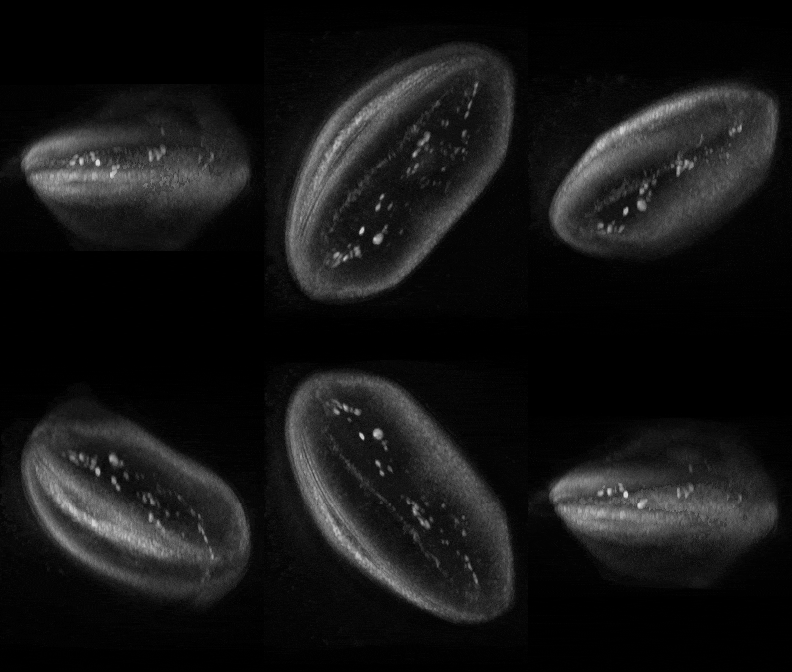
La thématique développée en imagerie microscopique répond à différentes problématiques centrées sur l’imagerie microscopique 3D, de fluorescence et sans marquage. La plate-forme dispose également de plusieurs instruments commerciaux : imagerie de fluorescence confocale ou en champ large, caméra de phase, microscope tomographique diffractif (Nanolive).
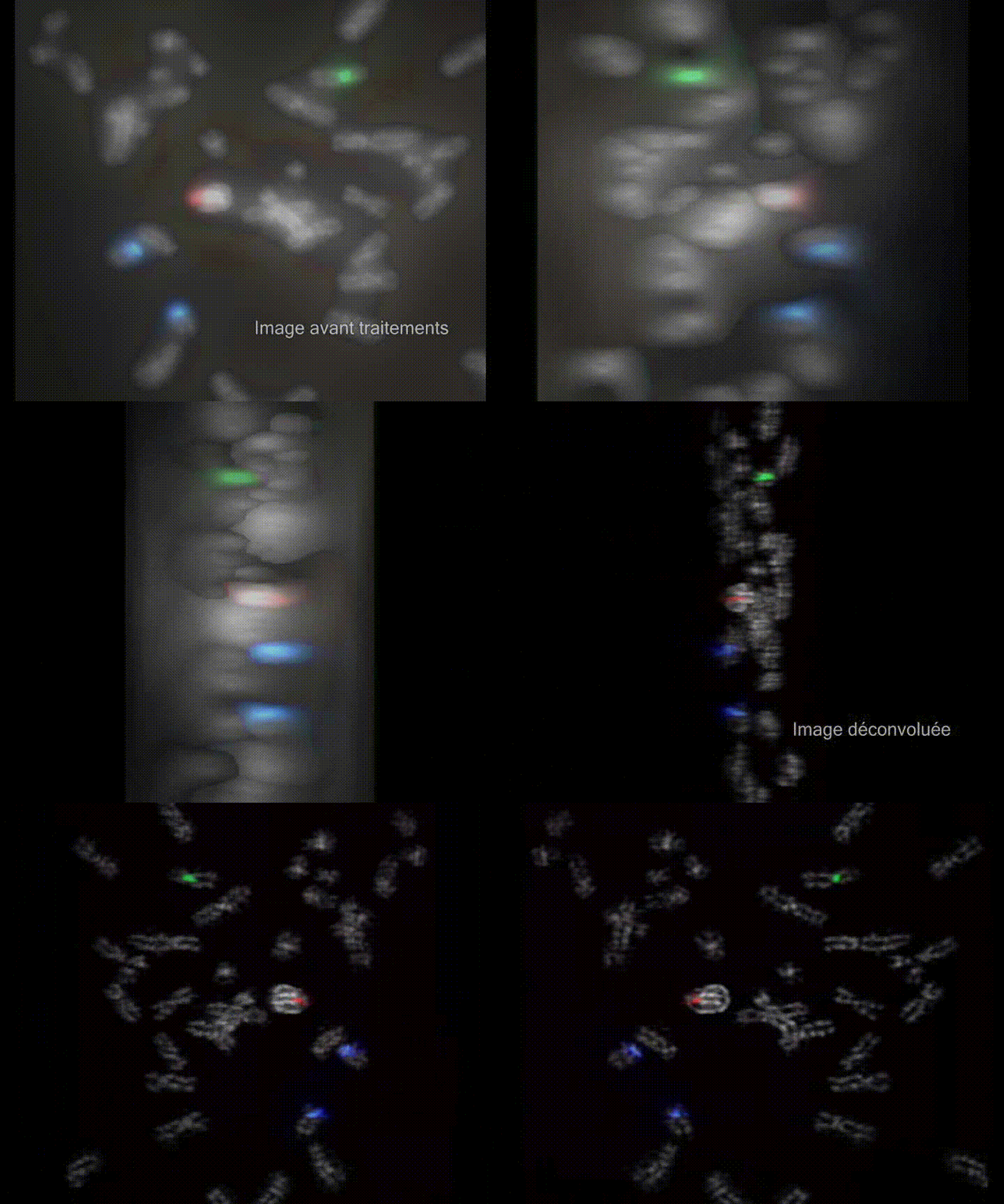
L’imagerie de fluorescence est la technique de choix en biologie, apportant spécificité fonctionnelle, contraste et une résolution qui a été améliorée de façon spectaculaire ces dernières années. Nos travaux en fluorescence concernent la déconvolution en champ large, le calcul ou la mesure de PSF.
However, fluorescence imaging is not without its problems related to fluorophore labeling, such as photobleaching or phototoxicity. Some samples simply cannot be labeled.
An alternative to fluorescence imaging
L’équipe développe des nouveaux modes de contraste, alternatifs ou complémentaires à l’imagerie de fluorescence :
- holographic microscopy
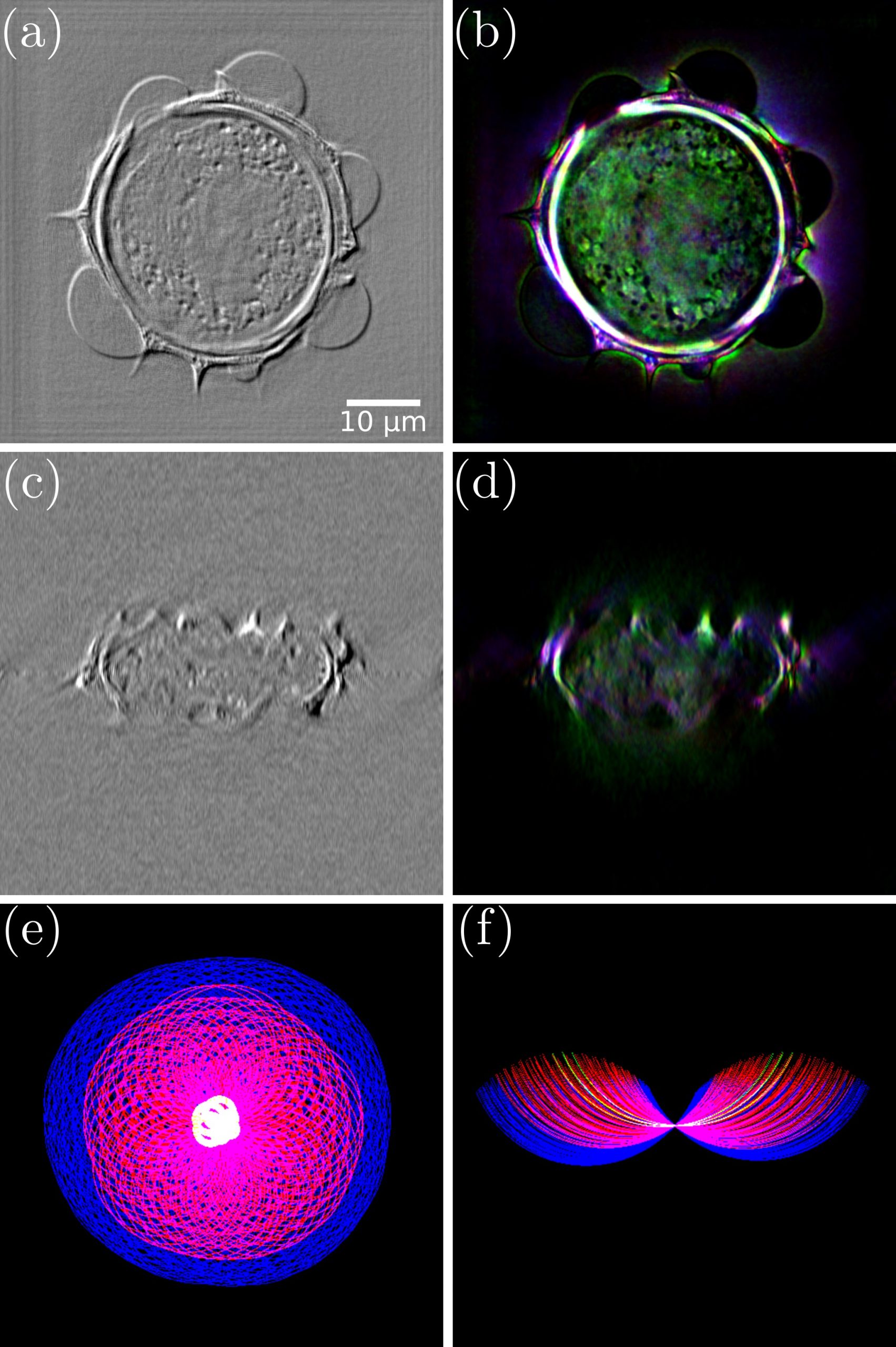
- la microscopie tomographique diffractive (MTD), basée sur l’holographie et une synthèse d’ouverture par balayage angulaire.
- la tomographie “iso” combinant la MTD et une rotation de l’échantillon
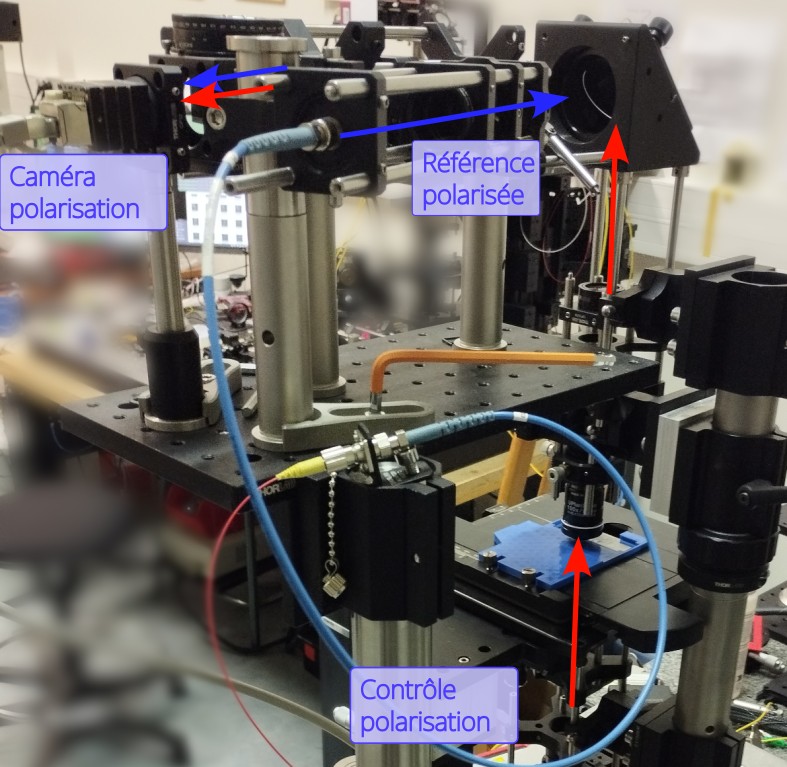
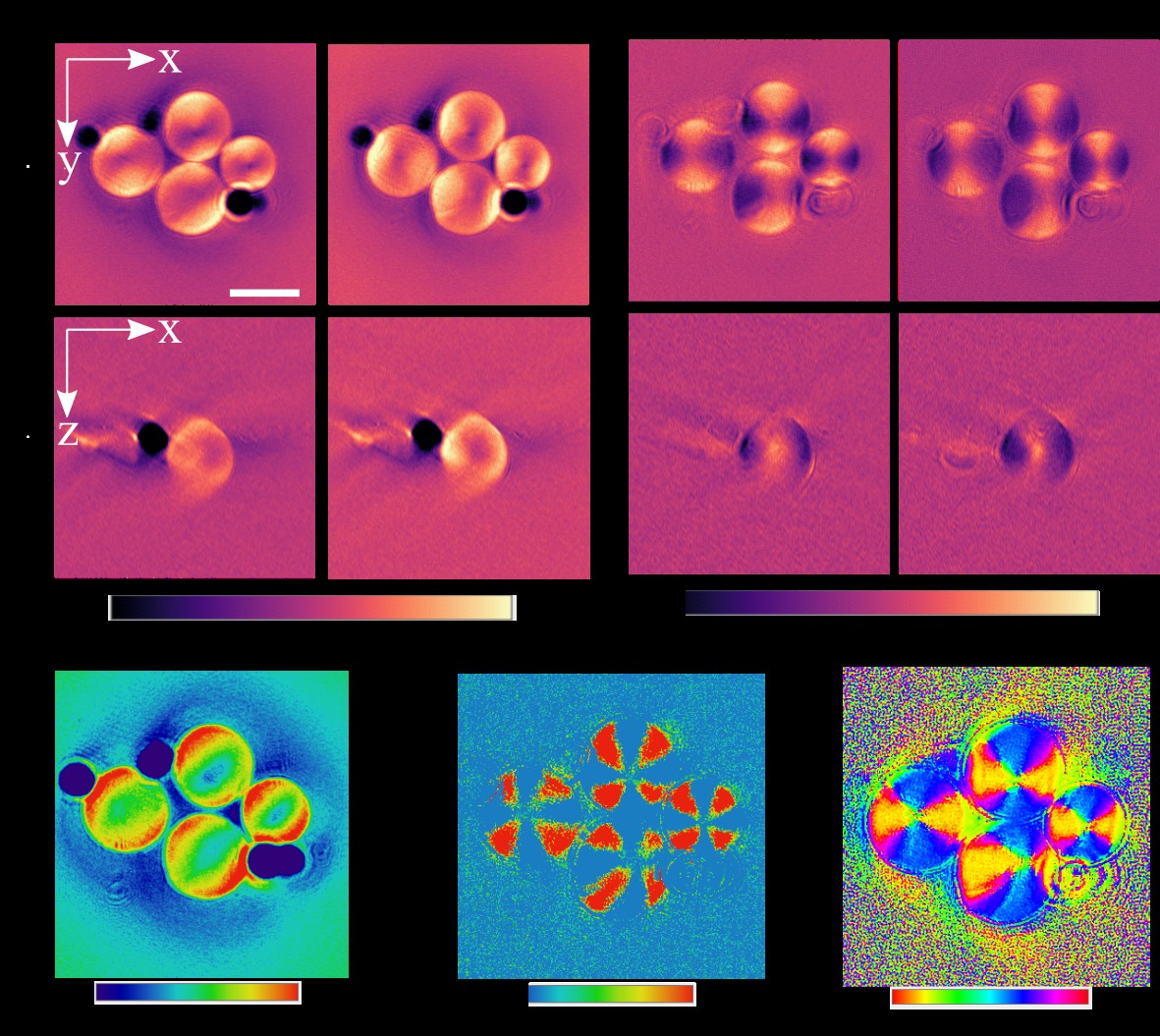
- la polarimétrie 3D, basée sur un contrôle polarimétrique de l’illumination et de la détection, permettant de visualiser les tenseurs 3D d’indice et d’absorption.
- l’imagerie hétérodyne
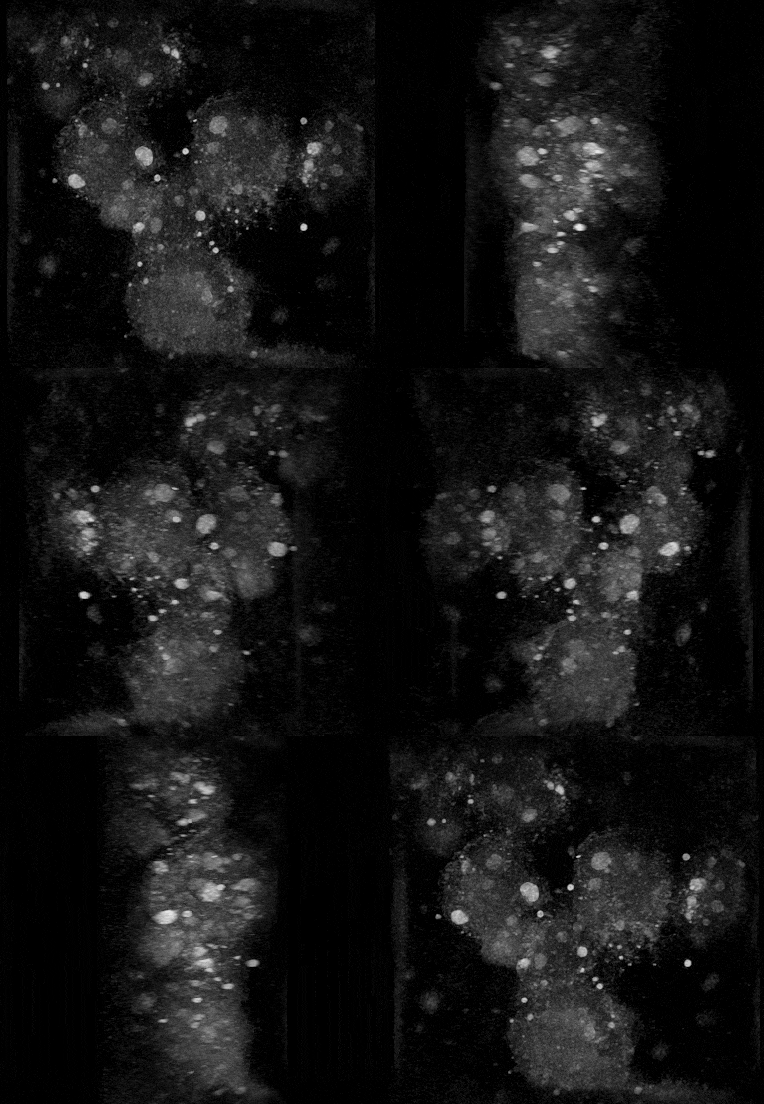
- l’imagerie 3D hyperspectrale
- 4π tomography without labeling
Applications range from biology to materials (polymers).
Un dispositif de profilométrie de surface interférométrique, fonctionnant en réflexion, permet d’étudier les surfaces en micro-électronique ou en mécanique.
Ces systèmes reposent en général sur un mode d’imagerie dit “non-conventionnel” : les images 3D sont reconstruites numériquement en s’appuyant sur des modèles physiques décrivant l’interaction lumière-matière. Un travail important sur ces modèles directs et les problèmes inverses associés est donc réalisé parallèlement à l’instrumentation. On peut citer les modèles classiques d’imagerie sous les approximations de Born ou de Rytov, les modèles multicouches, les modèles vectoriels pour la polarimétrie…
Experimental Systems
Results
Energy, Smart Electric Mobility & Cybersecurity Platform - IMTIS
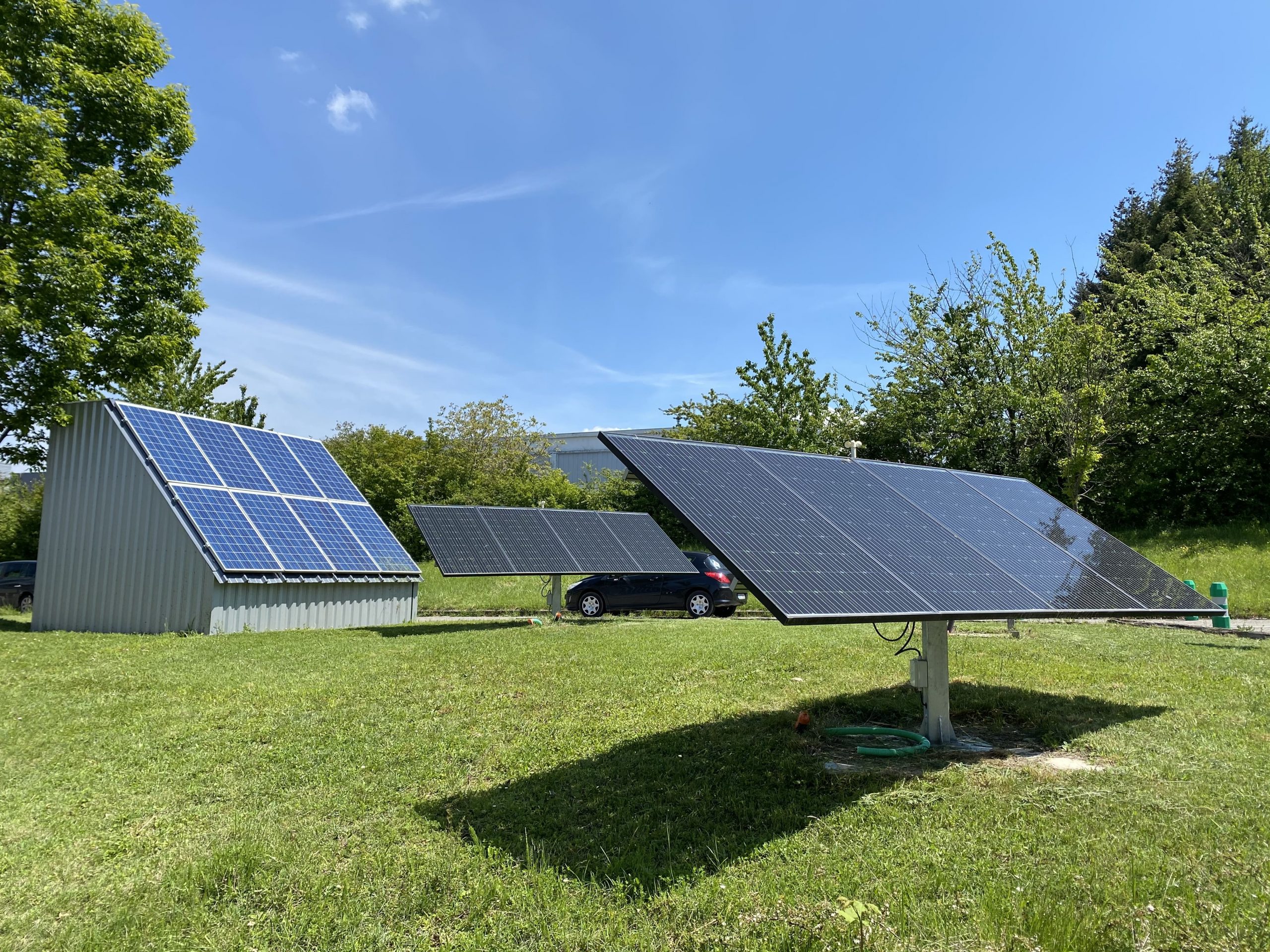
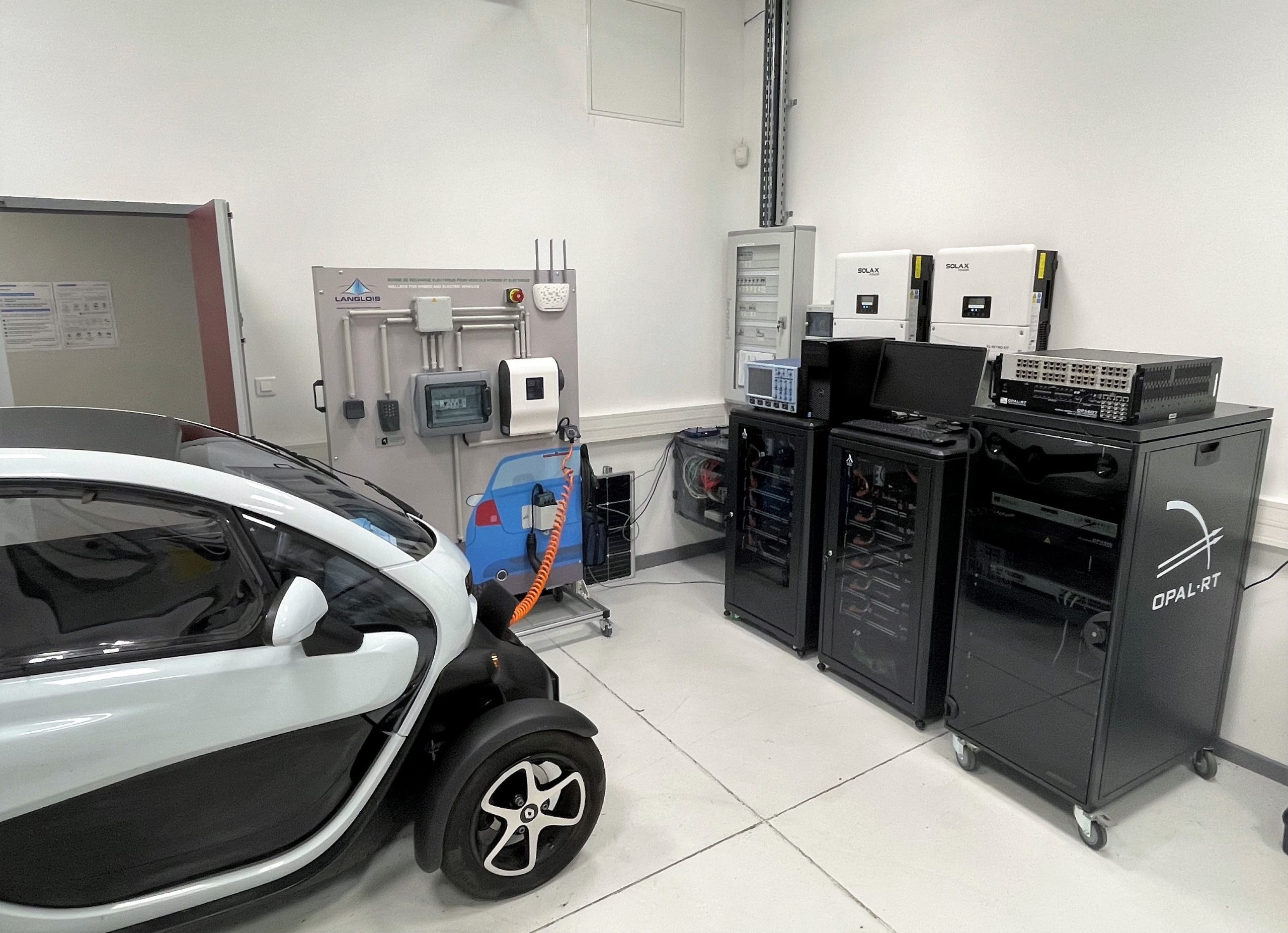
IRIMAS’s Energy, Smart Electric Mobility & Cybersecurity Demonstrator combines photovoltaic generation, stationary storage, electric vehicles, charging stations, advanced monitoring, and cyber-physical resilience analysis. With an installed capacity of 6.6 kWp, 24 kWh of lithium-ion storage, a Renault Twizy used as a mobile battery, and state-of-the-art instrumentation, this platform enables real-world testing of strategies for self-consumption, energy management, artificial intelligence applied to energy, and cybersecurity for smart microgrids. Translated with DeepL.com (free version)
The laboratory has an experimental demonstration facility dedicated to photovoltaic power generation, energy storage, electric mobility, smart energy flow management, and cybersecurity for energy systems. Located on the campus of the Mulhouse University Institute of Technology (IUT), this facility serves as a unique platform for research, experimentation, and training in the areas of smart microgrids, self-consumption, electric mobility, artificial intelligence applied to energy, and the resilience of connected energy infrastructures.
The demonstration system features a total photovoltaic capacity of 6.6 kWp, distributed across three complementary configurations: solar trackers, a photovoltaic bike shelter, and photovoltaic sunshades, covering a total area of 36.4 m². This diversity makes it possible to study and compare different methods of solar power generation under real-world conditions.
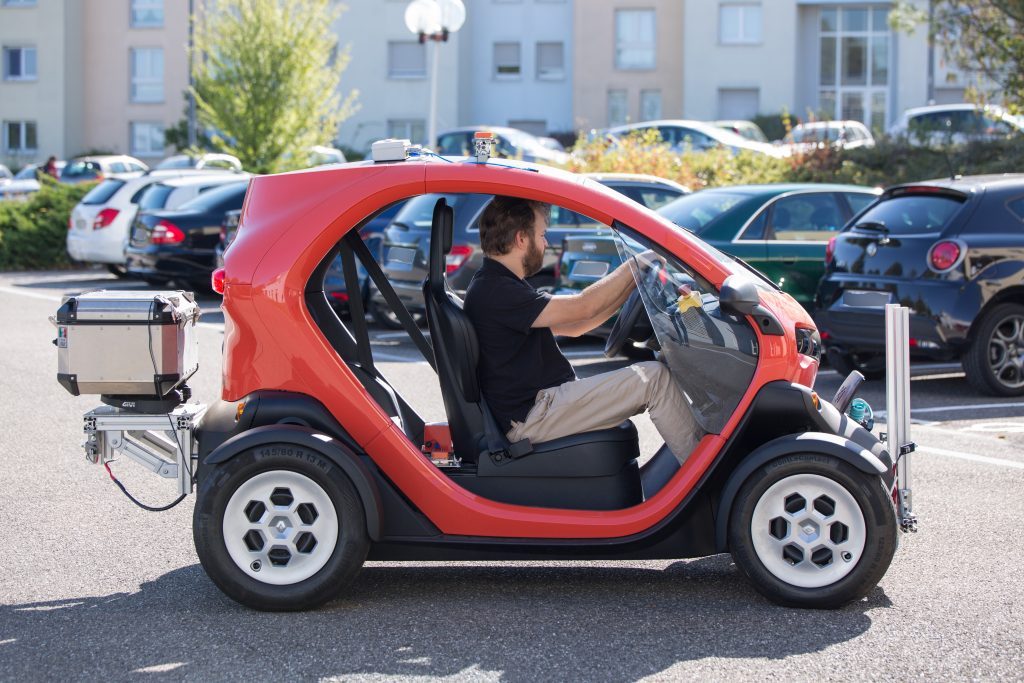
The energy generated can be stored in a 24 kWh stationary lithium-ion battery system, supplemented by mobile storage provided by an electric Renault Twizy with a capacity of 6.1 kWh. The electric vehicle is used as a mobile energy resource to analyze its potential role in regulating power flows, optimizing self-consumption, and balancing the local microgrid.
Two charging stations—one from Langlois and one from Hager, donated by an industry partner—are being used to study the interactions between solar power generation, stationary storage, electric vehicles, and the power grid.
The platform is equipped with advanced instrumentation, including a high-end Dewesoft SIRIUS R2DB measurement system, as well as sensors for current, voltage, power, power quality, air quality, and meteorological data. SOCOMEC DigiWare sensors also ensure precise monitoring of electrical parameters on AC and DC networks.
The monitoring system is based on an open architecture that integrates two industrial computers running Home Assistant, a large touchscreen, and a real-time measurement infrastructure. Together, these components enable the collection of massive amounts of data under real-world conditions, paving the way for the development of AI and deep learning algorithms, as well as production forecasting and usage optimization.
An important aspect of the demonstrator concerns energy cybersecurity. The platform enables the study of potential vulnerabilities in connected energy systems, particularly in communications, sensors, actuators, charging stations, storage, and monitoring systems. It thus provides an experimental environment for analyzing cyber-physical risks, testing anomaly detection strategies, evaluating the microgrid’s resilience to disruptions or attacks, and developing protection approaches tailored to smart energy infrastructure.
This demonstrator is a tool for exploring future decentralized, smart, resilient, and secure energy systems that support the energy transition.

Key Figures
| Element | Features |
| Total photovoltaic capacity | 6,6 kWp |
| Total PV Area | 36,4 m² |
| Solar trackers | 2,4 kWp |
| Solar-Powered Bike Shelter | 2,16 kWp |
| Photovoltaic sunshades | 2,04 kWp |
| Stationary Li-ion Storage | 24 kWh |
| Renault Twizy Mobile Storage | 6,1 kWh |
| Charging Stations | Langlois + Hager |
| Networks Studied | AC et DC |
| Supervision | Home Assistant + Touchscreen |
| Instrumentation | Dewesoft SIRIUS R2DB + SOCOMEC DigiWare |
| Research Areas | AI, self-consumption, microgrids, energy cybersecurity |
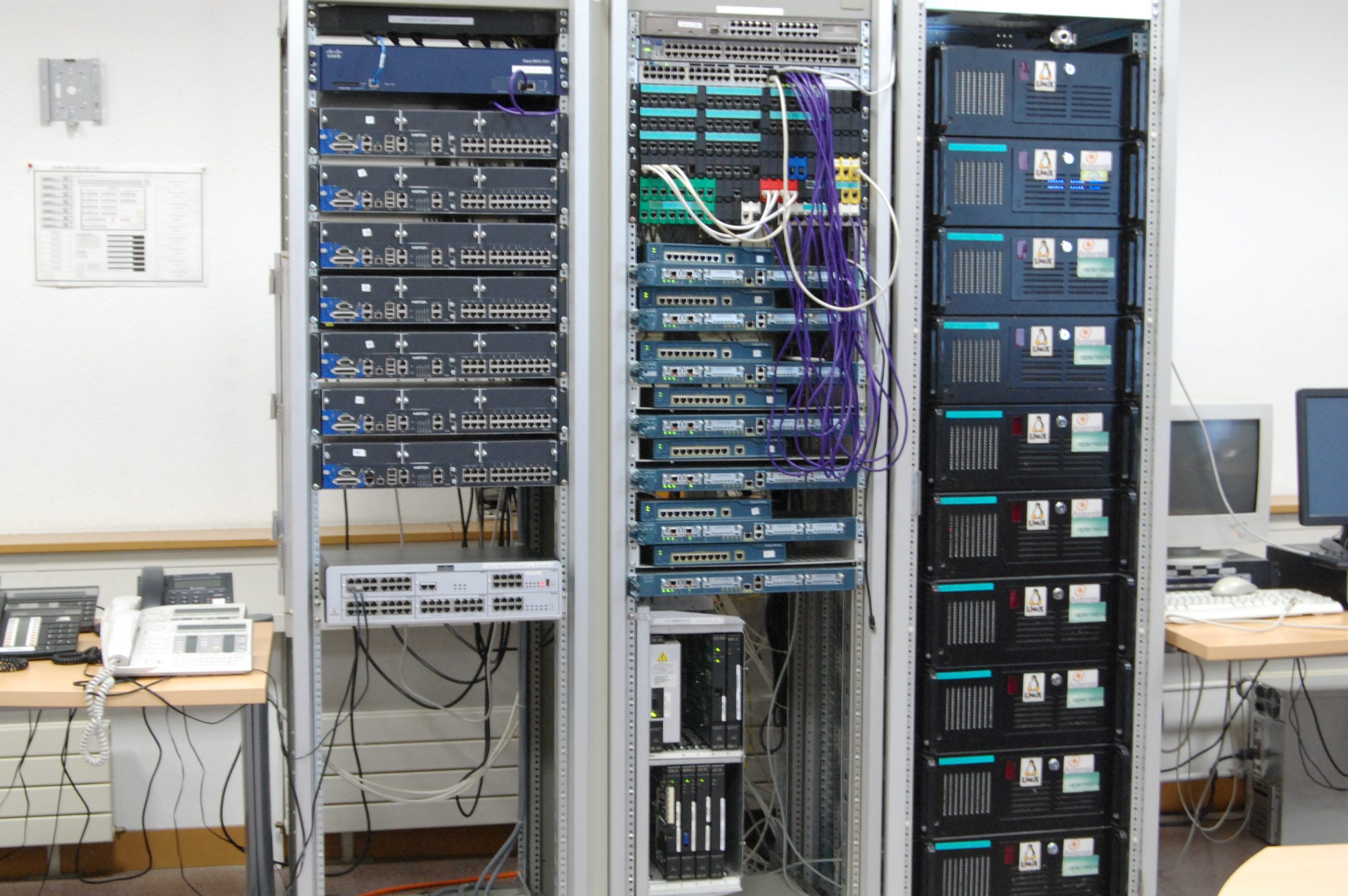
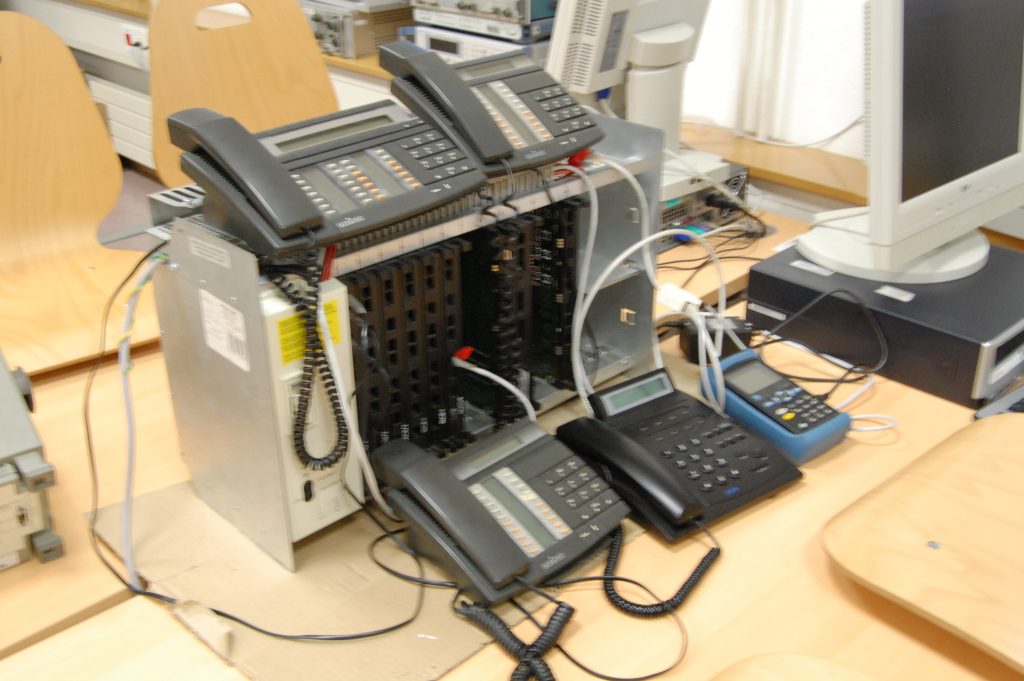
Telecommunications and Networks Platform - RT
The RT team is working in the following two areas:
- quality of service on the Internet,
- mobility in wireless networks.
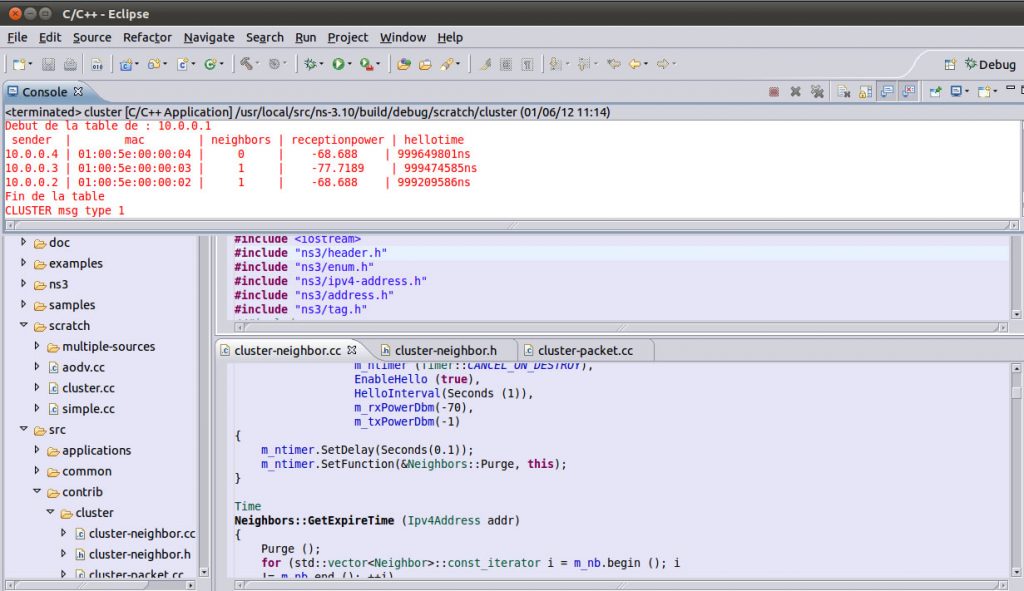
It uses various simulation and protocol testing software (NS2, NS3, etc.).
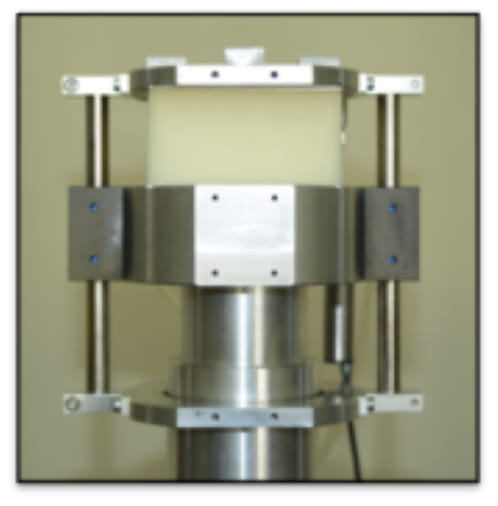
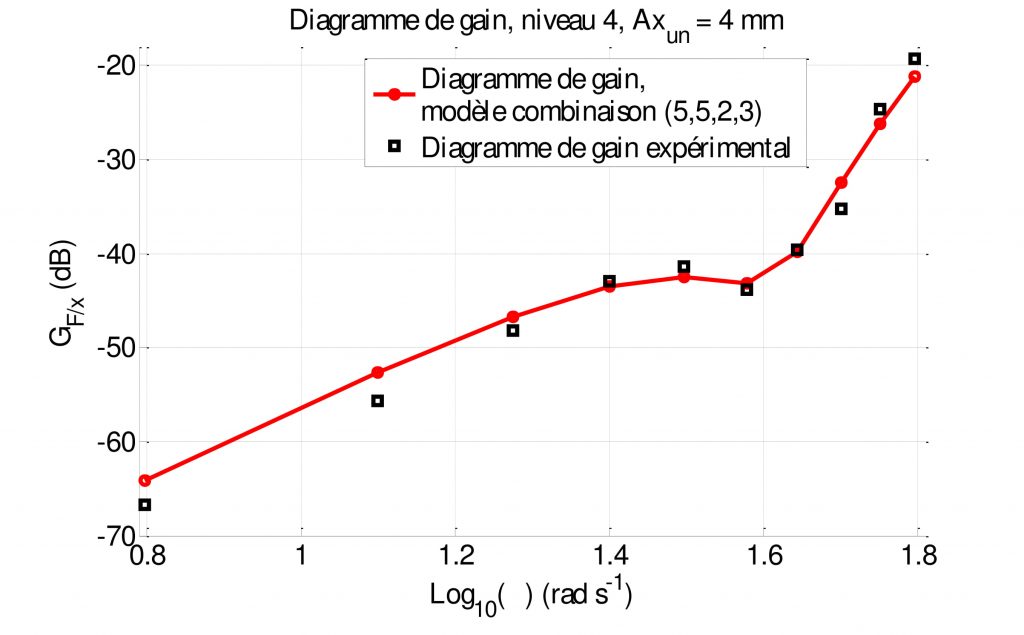
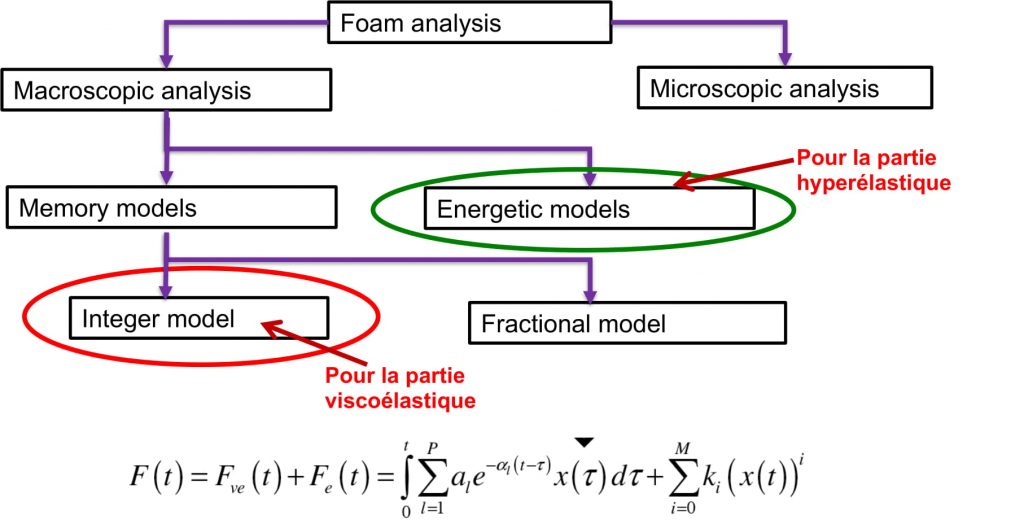
Platform for Characterizing Flexible Cellular Materials - MIAM
Purpose of the measurement campaigns:
- demonstrate the material's ability to return to its original shape,
- develop and implement test protocols for evaluating the dynamic properties of polyurethane foams
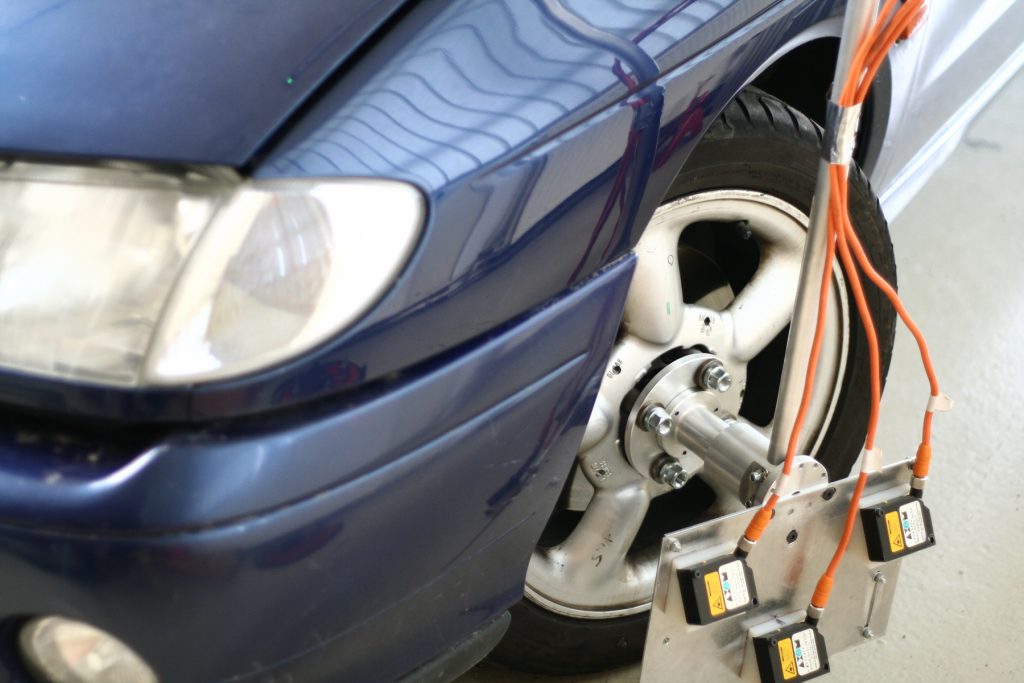
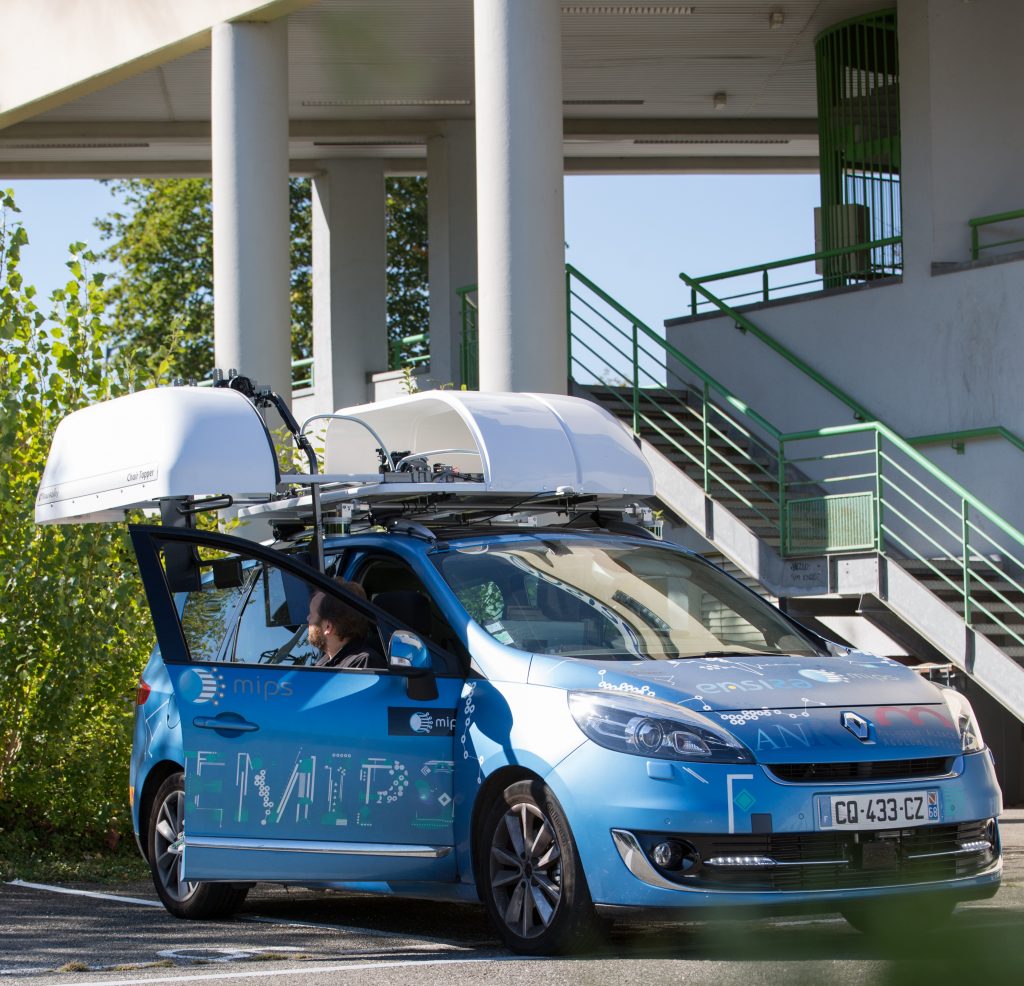
Dynamic Test Platform and Instrumented Vehicles - MIAM
Vehicle design support: energy transfer-based approach, generic models, model reduction, V-cycle optimization.